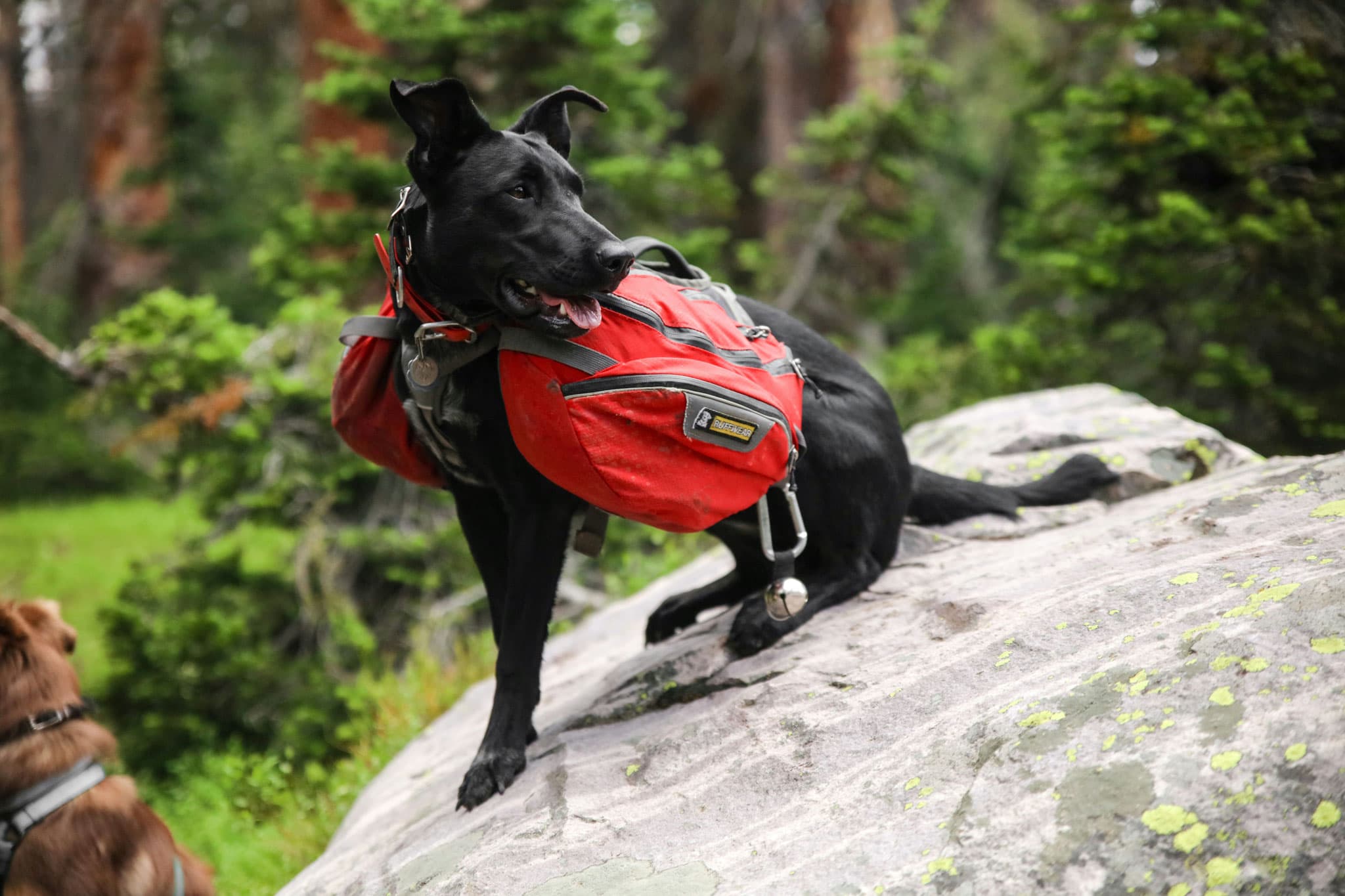
How Do K9 Search and Rescue Dogs Help Find Missing Children?
About 2,300 children are reported missing in the United States every single day. That's not a typo — it's the reality facing American families, law enforcement, and the organizations working to bring kids home safely (Child Find of America, 2024). In 2024 alone, the National Center for Missing & Exploited Children assisted with 29,568 cases, recovering 91% of those children (NCMEC, 2025).
Behind many of those recoveries? A canine with a nose that can detect a single human scent molecule among trillions.
K9 search and rescue teams are among the most effective tools in law enforcement's arsenal when a child disappears. A single trained SAR canine can cover ground that would take 20 to 30 human searchers hours to clear — and do it in under 30 minutes (Anything Pawsable, 2024). This guide explains exactly how these animals work, what types of handler teams deploy for missing children, and what every parent should know to help these units succeed.
Learn more about keeping children safe online
TL;DR: K9 search and rescue dogs find missing children with up to 97% accuracy and cover search areas 40 times faster than human teams (DogBase, 2024). With 300 million scent receptors — 50 times more than humans — SAR canines remain the fastest, most reliable way to locate a child in the critical first hours after a disappearance.
How Many Children Go Missing in the United States Each Year?
The National Center for Missing & Exploited Children handled 29,568 reports of missing children in 2024, with a 91% recovery rate (NCMEC, 2025). That recovery number sounds encouraging — until you look at who's still unaccounted for and how quickly a case can turn dangerous.

Not all missing children cases are the same. The vast majority — 93% — involve endangered runaways. Family abductions account for roughly 5%, and nonfamily abductions make up about 1% (Child Find of America, 2024). The NISMART-2 study estimated approximately 115 stereotypical stranger kidnappings per year in the United States, with 40% of those victims killed (OJJDP NISMART-2, 2002). By 2011, the NISMART-3 study found that number had dropped to 105 kidnappings annually, with fatalities falling to 8% and 92% of victims recovered alive (OJJDP NISMART-3, 2016). Progress — but the stakes remain enormous.
That's why speed matters more than anything else. Every minute a child remains lost, the search radius expands and the probability of a safe recovery drops. K9 search and rescue teams exist to collapse that timeline — turning hours of ground canvassing into minutes.
The AMBER Alert system has contributed to 1,292 children being successfully recovered since its inception, with an additional 241 rescued through wireless emergency alerts (AMBER Alert / OJP, 2025). But alerts alone don't sweep forests, abandoned buildings, or riverbanks. Dogs do.
According to NCMEC's 2024 data, nearly 30,000 children required assistance from the nation's primary missing children clearinghouse in a single year (NCMEC, 2025). While 91% were recovered, the remaining cases — hundreds of children — underscore why rapid-deployment tools like K9 SAR teams aren't optional. They're essential.
Read more about law enforcement challenges in protecting children
What Makes K9 Search and Rescue Dogs So Effective?
SAR canines average a 91% accuracy rate when locating hidden subjects, with some studies documenting accuracy as high as 97% (DogBase, 2024). That's not a marginal improvement over human search crews — it's a fundamentally different capability built on biology most people don't fully understand.
Here's what a canine's nose can do that no piece of technology has matched. Dogs possess up to 300 million olfactory receptors, compared to roughly 6 million in humans. Their olfactory brain region — the part dedicated to processing odors — is 40 times larger than ours (AKC, 2024). What does that mean in practice? A trained SAR dog can pick up human scent diluted to 1 to 2 parts per trillion.
How far can that nose reach? A K9 can detect a lost child's smell from over 500 meters away. They can pick up human odor buried up to 12 meters underground or submerged up to 25 meters underwater (Anything Pawsable, 2024). Rain, wind, darkness — conditions that slow human searchers to a crawl barely register for a well-trained canine.
What the numbers don't show: A dog doesn't just pinpoint people faster — it changes how an entire search operates. When a K9 clears a sector, incident commanders can confidently redirect human resources elsewhere. Without that confirmation, crews end up re-covering the same ground, wasting hours that a vanished child can't afford to lose.
And then there's raw speed. A single K9 handler team can sweep an area in 30 minutes that would take 20 to 30 human searchers up to 4 hours. In wilderness environments, one canine does the work of 40 or more people (Anything Pawsable, 2024). One peer-reviewed study published in Wilderness & Environmental Medicine confirmed that dogs covered a mean distance 2.4 times greater than their handlers at roughly the same walking speed (Wilderness & Environmental Medicine / ScienceDirect, 2015).
Why does this matter for lost children specifically? Because the first few hours after a child vanishes are the most critical. A canine unit that arrives within the first hour can pick up a fresh olfactory trail before wind, foot traffic, and weather degrade it. That speed advantage has directly contributed to recoveries that human-only search crews couldn't have achieved in the same window.
See how schools use technology to keep children safe
What Types of K9 Search and Rescue Dogs Find Missing Children?
There are six distinct SAR canine specializations, and understanding them helps explain why law enforcement deploys specific handler teams depending on the circumstances of a child's disappearance (FEMA, 2020). Not every four-legged partner does the same job.
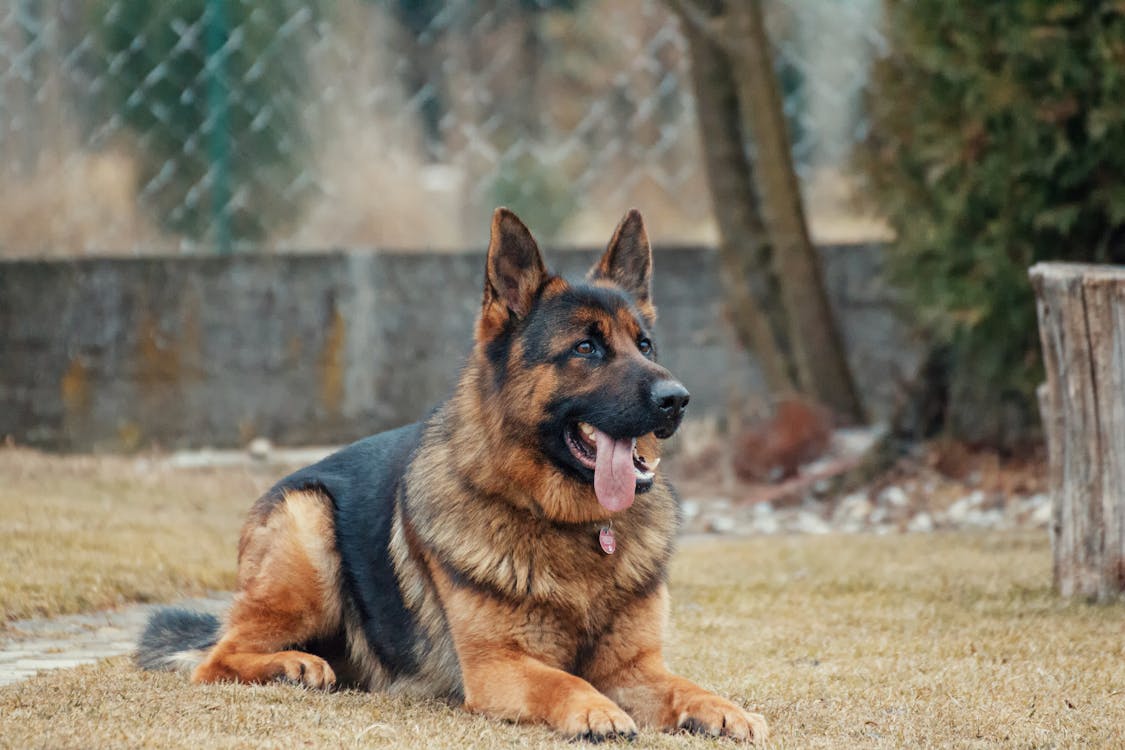
Trailing and Tracking Dogs
Picture this: a seven-year-old wanders away from a campsite at dusk. A trailing dog is likely the first K9 resource on scene. These animals follow a specific person's ground-level scent trail — the skin cells, sweat, and bacteria that every human sheds constantly. They work on a long lead, nose to the ground, tracing the exact path a child walked, ran, or was carried along.
Give the handler a piece of the child's clothing or a pillowcase, and the dog locks onto that individual's smell signature. It can distinguish one person's trail from dozens of others in the same area. That specificity is what makes trailing dogs irreplaceable in the early hours.
Air Scent and Area Search Dogs
Trailing canines follow a path. Air scent dogs work differently — they detect airborne human odor carried by wind currents across large open areas. These animals work off-lead, covering massive terrain in a systematic pattern. They don't need a scent article. They'll alert on any human presence in their assigned zone.
When would you deploy one instead of a trailing dog? When there's no clear starting point. If a child vanished from a park or campground with multiple exit routes, an air scent canine can sweep the entire area without knowing which direction the child went.
Disaster and Urban Search Dogs
Collapsed structures. Post-earthquake rubble. Dense urban blocks with abandoned buildings on every corner. That's where disaster K9s operate. These animals are trained to navigate rubble piles, unstable structures, and confined spaces that would be too dangerous or too slow for human crews alone. FEMA currently maintains 284 certified canine search teams for live-find operations across the country (FEMA, 2020).
Water Recovery and Evidence Search Dogs
Some SAR canines specialize in detecting human scent rising through water — a grim but critical capability when searches involve rivers, lakes, or coastal areas. Evidence dogs, meanwhile, track down objects carrying human odor: a dropped phone, discarded clothing, or a backpack. In abduction cases, evidence dogs can help reconstruct what happened and where a child was taken.
What most parents don't realize: When a child disappears, law enforcement doesn't deploy just one animal. A typical large-scale operation coordinates multiple K9 specializations — a trailing dog to follow the initial path, air scent canines to clear surrounding areas, and evidence dogs to recover personal items. They work as a system, not in isolation.
How Are Search and Rescue Dogs Trained and Certified?
Earning SAR certification requires approximately 350 hours of training over 1.5 to 2 years for both the canine and its handler. About 300 of those hours involve group training with other handler teams. After certification, each pair must log a minimum of 16 hours per month in ongoing maintenance training (MESARD, 2024). This isn't a hobby. It's a second career.
The National Disaster Search Dog Foundation takes a different approach — and one that matters for a conversation about protecting children. SDF rescues dogs from shelters and trains them for 8 to 10 months at their National Training Center. After that, each animal is paired with a firefighter or first responder for approximately one additional year of joint certification training (Search Dog Foundation, 2024). Shelter dogs that nobody wanted become canines that save lives. Think about that for a moment.

What Breeds Make the Best SAR Dogs?
The most commonly certified breeds include Labrador Retrievers, German Shepherds, Golden Retrievers, Belgian Malinois, and Border Collies. But breed matters less than drive. SAR trainers look for animals with a relentless desire to hunt — what handlers call "hunt drive" — combined with the physical endurance to work for hours in rough terrain. A mutt with the right temperament will outperform a pedigree dog that quits after an hour.
The Certification Pipeline
The path from untrained dog to certified SAR K9 follows a demanding timeline that weeds out the majority of candidates. Not every animal that starts training finishes it. The ones that do represent the best of the best.
FEMA currently certifies and deploys 284 live-find canine teams and 90 human remains detection teams across the national Urban Search and Rescue system. Each Type 1 task force — the largest deployment tier — includes a minimum of 4 canine units among its 70 members (FEMA, 2020).
The 350-hour training minimum, the 1.5 to 2-year commitment, and the ongoing monthly requirements all exist for one reason: when a child goes missing, there's no room for an animal that isn't ready. These teams train constantly so they can perform flawlessly when it counts.
Explore how law enforcement responds to crimes against children
What Happens When a Child Goes Missing and K9 Teams Deploy?
A single SAR K9 handler team can be operational at a search site within minutes of arrival, and their ability to cover ground 40 times faster than human searchers makes the first deployment decision critical (Anything Pawsable, 2024). But what actually happens between a parent's 911 call and a canine picking up a trail? Here's how the process unfolds.
The First Report and Activation
When a child is reported missing, the responding agency evaluates the circumstances and assigns a risk level. Federal law mandates that no law enforcement agency may enforce a waiting period before accepting a missing child report, and the Adam Walsh Act requires entry into the NCIC database within two hours — a mandate that doesn't apply to adult missing persons cases (34 U.S.C. 41308; Adam Walsh Act, 2006). If the circumstances suggest danger — very young child, suspected abduction, hazardous environment — K9 units get activated immediately.
Local agencies may have their own canine teams, or they'll request mutual aid from neighboring departments or volunteer SAR organizations. In large-scale searches, state and federal resources — including FEMA task forces — can be mobilized within hours.
How K9 Teams Begin the Search
The handler's first move is securing a scent article. This is any item carrying the lost child's odor: a worn shirt, a pillowcase, a stuffed animal, shoes. The fresher and less contaminated the article, the better. Handlers seal scent articles in clean plastic bags to preserve them.
The canine unit then moves to the "last known point" — the place where the child was last confirmed to be. For trailing dogs, this is where the search begins. The animal takes the scent, locks on, and starts following the trail. For air scent dogs, the handler positions the canine downwind and lets it systematically sweep the area.
From the field: Experienced handlers say the biggest factor in a successful K9 search isn't the dog's ability — it's getting deployed fast enough. Scent degrades with every passing hour. A trail that's two hours old is a clear highway for a trained canine. A trail that's two days old? A fading whisper. This is why calling 911 immediately — not looking around on your own first — gives handler teams the best chance.
Working With Law Enforcement and Volunteers
K9 teams don't operate alone. They coordinate with incident commanders who divide the search area into sectors. Canines clear sectors systematically while human crews handle areas where K9 access is difficult — dense urban blocks, buildings that need physical entry, or areas requiring technical rescue equipment.
Volunteers play a role too, but untrained foot traffic can contaminate olfactory trails and complicate K9 work. This is why organized searches keep volunteer teams and canine units in separate sectors. If you're ever asked to help find a missing child, follow the incident commander's instructions exactly — staying out of the K9 zones is one of the most helpful things you can do.
Learn how parents and schools prepare for emergencies
How Can Parents Help K9 Search and Rescue Teams?
Most parents never expect to need a search and rescue dog. But small preparations — things you can do right now — can shave critical time off a canine unit's deployment if the unthinkable happens. None of these suggestions are complicated. All of them are backed by what SAR handlers consistently say makes the difference between a fast recovery and a prolonged operation.
A preparation most parents overlook: SAR handlers consistently recommend keeping a "scent kit" for each child. Place an unwashed piece of clothing your child has recently worn into a sealed ziplock bag. Store it in a cool, dark place. Replace it every few months. Having an uncontaminated scent article ready when a K9 handler arrives eliminates the time-consuming dismissal process normally used to isolate one person's odor from contaminated household items (Scent Evidence K9).
Keep a Scent Article Ready
An unwashed shirt, pajama top, or pillowcase stored in a sealed plastic bag gives a K9 handler exactly what they need the moment they arrive. Don't wash it. Don't let other family members or pets handle it. Seal it and set it aside. Replace it every two to three months with a freshly worn item. Commercial scent preservation kits developed by former FBI forensic K9 specialists can store a person's unique odor for up to 10 years (Scent Evidence K9).
Maintain Current Photos and Descriptions
Law enforcement and SAR teams need recent photos — ideally taken within the last month. Keep a current photo on your phone that clearly shows your child's face, height, and build. Note distinguishing features: birthmarks, scars, glasses, braces. This information helps search crews confirm a K9 alert matches the lost child.
Know Your Child's Routine
Can you list five places your child goes regularly? Their walking route to school, a friend's house they visit, a park they like, a hiding spot in the neighborhood? When canine units deploy, one of the first things they ask parents is: "Where would your child go?" Having those answers ready directs the operation immediately.
Don't Contaminate the Search Area
If your child disappears from home or a known location, resist the urge to canvass the area yourself before calling 911. Every footstep you take through the space adds your scent and disrupts the olfactory trail. Call first. Stay in one spot. Let the professionals and their four-legged partners work a clean scene.
Call 911 Immediately — There Is No Waiting Period
This is the most important thing any parent can do. Federal law explicitly prohibits any waiting period for reporting a missing child (34 U.S.C. 41308). The idea that you must wait 24 or 48 hours is a myth — and a dangerous one. Law enforcement takes immediate reports for missing children at any time, day or night. The faster you call, the fresher the scent trail, and the better a canine team's chances of picking it up.
Read our guide on internet safety for kids
What Does the Future of K9 Search and Rescue Look Like?
Over 500 SAR teams across the United States now use drones as part of their search operations (UAV Coach, 2024), and the integration between aerial technology and K9 units is reshaping how missing children cases unfold. The dogs aren't going anywhere — but the tools around them are getting sharper.
GPS tracking collars now allow incident commanders to monitor a canine's exact position in real time, overlaying the animal's search pattern on digital maps. SAR professional William Bolton uses GPS-equipped K9s in Ontario, exporting track data as .gpx and .kml files for incident command — eliminating guesswork about which areas have been cleared and which haven't (Tractive).
Drone integration is another shift changing how handler teams operate. In January 2024, a Robbinsville, New Jersey officer deployed a thermal-imaging drone and located a missing child in under 10 minutes — before the K9 unit from a neighboring township even arrived on scene (6ABC Philadelphia, 2024). When a drone flags a possible location, a canine team confirms it — combining the speed of technology with the precision of a dog's nose.
Scent preservation technology is advancing too. The Scent Preservation Kit, developed by a former FBI forensic K9 specialist, already stores human odor signatures for up to 10 years in evidence-grade sealed containers (Scent Evidence K9). Meanwhile, materials scientists continue developing microencapsulation and polymer-based technologies that extend how long volatile compounds can be preserved (ResearchGate, 2024). For parents, this could eventually mean keeping a preserved scent profile that remains viable for decades, not months.
And the pipeline of SAR dogs is growing. The Search Dog Foundation's shelter-to-search-dog program has proven that rescued animals — canines discarded by their previous owners — can become elite search and rescue K9s (Search Dog Foundation, 2024). Programs like this are expanding, which means more certified teams available for deployment when a child goes missing.
The core equation hasn't changed: a child disappears, and time starts working against everyone trying to find them. K9 search and rescue dogs tilt that equation back in the child's favor. As the technology around them improves, these handler teams will only get faster and more effective.
Learn about technology innovations in school security
Frequently Asked Questions
How long does it take a K9 to find a missing child?
There's no single answer — it depends on terrain, weather, scent age, and contamination. But a trained SAR canine can cover an area in 30 minutes that would take 20 to 30 human searchers up to 4 hours (Anything Pawsable, 2024). Fresh olfactory trails (under 2 hours old) produce the fastest results.
What breeds are best for search and rescue work?
Labrador Retrievers, German Shepherds, Golden Retrievers, Belgian Malinois, and Border Collies are the most common SAR breeds. However, the National Disaster Search Dog Foundation has successfully trained mixed-breed shelter dogs for FEMA certification (Search Dog Foundation, 2024). Drive and endurance matter more than pedigree.
Can search and rescue dogs track scent in rain or water?
Yes. SAR canines can detect human odor submerged up to 25 meters underwater and buried up to 12 meters underground (Anything Pawsable, 2024). Rain can actually help by releasing scent particles trapped in the ground. Heavy downpours may disperse a trail, but trained animals adapt to shifting conditions.
How accurate are K9 search and rescue dogs?
SAR canines average a 91% accuracy rate, with some studies reporting as high as 97% when locating hidden subjects (DogBase, 2024). Accuracy depends on training quality, handler experience, environmental conditions, and how recently the subject passed through the area.
Is there a waiting period before police use search dogs for a missing child?
No. Federal law explicitly prohibits any waiting period for missing child reports (34 U.S.C. 41308). That's a persistent myth. Law enforcement takes immediate reports for missing children and can deploy K9 units as soon as they're available. Call 911 the moment you believe your child is missing.
What Every Parent Should Remember About K9 Search and Rescue
K9 search and rescue dogs aren't just impressive animals — they're the difference between hours and minutes when a child goes missing. Here's what matters most:
- Speed saves lives. One SAR canine covers ground that would take 40+ human searchers hours to clear.
- Biology beats technology. With 300 million olfactory receptors and 91-97% accuracy, no device matches a trained dog's nose.
- Preparation matters. A sealed scent article and an immediate 911 call give K9 handler teams their best chance.
- There's no waiting period. Report a missing child immediately — every minute of fresh scent counts.
- The system is growing. More shelter dogs are becoming SAR K9s, and GPS and drone technology are making canine units more effective.
If you're a parent, take five minutes today to prepare a scent kit for each of your children. Store a recently worn, unwashed garment in a sealed bag. Keep recent photos on your phone. Know your child's routine and favorite places. These small steps could make a profound difference if a handler team ever needs to find your child.
The Crimes Against Children Foundation works every day to protect children from harm and to support the systems — including K9 search and rescue — that bring missing kids home. Learn more about how you can help.